

What Are the Best Opportunities for Mechanical Engineering Jobs in Canada?
What Are the Key Industries for Mechanical Engineers in Canada?
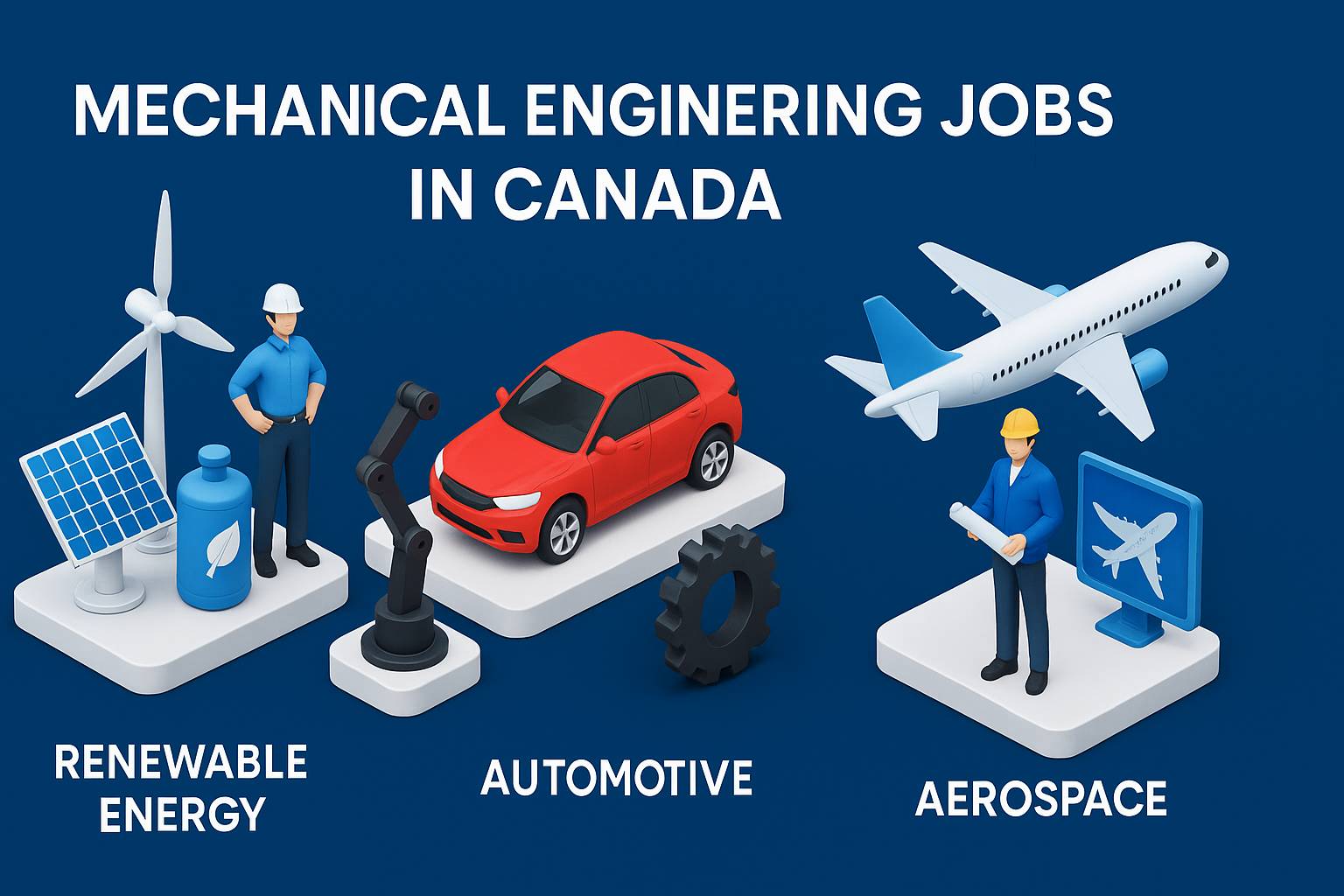
In Canada, mechanical engineering jobs thrive in key industries such as renewable energy, automotive, and aerospace. These sectors are rapidly expanding and consistently require skilled mechanical engineers to fill various roles. Alberta is known for its energy sector, while Ontario is a hub for automotive manufacturing. Obtaining a Professional Engineer (P.Eng.) license is often essential to work in these industries, ensuring engineers meet the required standards and uphold professional integrity.
What Are the Key Opportunities for Mechanical Engineers in Renewable Energy?
The renewable energy sector in Canada is a growing field that presents numerous job opportunities for mechanical engineers. As the country increases its focus on sustainability, particularly in wind, solar, and bioenergy, mechanical engineers play a vital role in designing, improving, and maintaining energy systems. In regions like Alberta, which traditionally relies on fossil fuels, there’s a push towards integrating more renewable energy sources. Engineers may find roles in designing wind turbines, enhancing solar panel efficiencies, or optimizing biomass plants.
Finding engineering jobs in Canada can be made easier through resources like competencybasedassessment.ca, especially for those seeking roles in this burgeoning sector.
Why Are Mechanical Engineers Important to the Automotive Industry?
Ontario stands out as a prominent location for the automotive industry, providing vast opportunities for mechanical engineering professionals. The automotive sector not only involves the manufacturing of vehicles but also focuses on innovation in electric and hybrid technologies. Mechanical engineers contribute significantly to vehicle design, manufacturing processes, and safety systems. The demand for engineers with expertise in robotics and automation, especially in the context of Industry 4.0, continues to rise.
For those aspiring to succeed in Ontario’s automotive sector, acquiring a Professional Engineer license in Canada is crucial. This license validates their expertise and opens doors to advanced career roles.
How Is the Aerospace Industry Creating Job Opportunities for Mechanical Engineers?
The Canadian aerospace industry represents another vital sector offering myriad opportunities for mechanical engineers. With Canada housing several global aerospace companies, engineers have ample opportunities in aircraft design, testing, and maintenance. In regions like Quebec, which has a significant aerospace presence, roles such as aerospace engineer or systems designer remain in high demand.
Mechanical engineers looking to transition into the aerospace field may benefit from the EIT to P.Eng. journey to ensure they meet industry standards and regulations as covered on competencybasedassessment.ca.
Whether you’re aiming to advance your career in renewable energy, automotive, or aerospace, obtaining a P.Eng. license is a pivotal step. By leveraging tools such as CBA Pro from CertNova, engineers can streamline their competency-based assessment effectively, enhancing their chances to succeed in these flourishing industries. To understand the full process and benefits, consider visiting competencybasedassessment.ca.
How Do Regulatory Bodies Impact Mechanical Engineering Careers?
Regulatory bodies like APEGA and EGBC are crucial to mechanical engineering careers in Canada, ensuring standards and practices are maintained in the engineering field. These organizations regulate licensing, which affects job opportunities and professional growth by setting required educational and experience benchmarks. Obtaining a P.Eng. license through these bodies, such as by passing the Competency-Based Assessment and the National Professional Practice Examination, is essential for accessing advanced roles and responsibilities across different industries like automotive, aerospace, and infrastructure.
How do APEGA and EGBC regulate mechanical engineering careers?
APEGA and EGBC are key regulatory bodies in Canada, dedicated to maintaining high professional engineering standards. They establish the educational and experience criteria mechanical engineers must meet, influencing job prospects and advancement opportunities. These organizations help ensure that engineers adhere to ethical practices and professional competence, thereby protecting public safety and welfare. For example, APEGA in Alberta sets guidelines that directly impact the licensure process and job roles available.
By setting these standards, APEGA and EGBC play a significant role in job opportunities within Canada’s engineering sector. Engineers aiming for project leadership roles or those involving public safety must obtain licensure from these bodies. This ultimately allows engineers more freedom and trust in managing larger, impactful projects across various industries.
For a deeper understanding of how APEGA operates in Alberta, refer to the What is APEGA? guide.
What is the significance of a P.Eng. license for career advancement?
Holding a P.Eng. license is considered a mark of professionalism and expertise, crucial for advancing in mechanical engineering roles. It signifies that the engineer has met the stringent requirements of education, experience, and ethics. As obtaining a P.Eng. license requires passing the Competency-Based Assessment (CBA) and the National Professional Practice Examination (NPPE), it represents a competency that employers highly value.
Employers often seek P.Eng.-licensed engineers for managerial and leadership positions, as the license proves their ability to work on projects involving public safety and complex regulatory environments. For example, licensed engineers can sign off on documents and be legally responsible for projects. This authority and responsibility provide more career opportunities in industries like power generation, automotive, and construction.
Learn more about navigating the path from an EIT to a P.Eng. through our detailed guide: From EIT to P.Eng. Journey.
What are common career paths and industry requirements for mechanical engineers?
Mechanical engineers with a P.Eng. license can pursue numerous career paths across various industries, often linked to critical infrastructure or innovative technology sectors. Common fields include automotive and aerospace engineering, renewable energy, and robotics. Each industry has specific requirements, such as specialized certifications or experience within particular technological domains.
For instance, the automotive industry may require expertise in thermodynamics and materials science, while aerospace engineering positions might demand knowledge of fluid dynamics. Mechanical engineers in the renewable energy sector need competence in sustainability practices and energy-efficient technologies. The common requirement across these fields is often the P.Eng. license, which validates the engineer’s proficiency and dedication to best practices.
Discover the professional engineering requirements in different provinces, such as the EGBC standards, in our EGBC guide.
As a mechanical engineer looking to refine your path and achieve professional growth, understanding the regulatory landscape and advancing through the right qualifications like the P.Eng. can be pivotal. Explore more about mechanical engineering opportunities and how to achieve them at competencybasedassessment.ca.
What Skills Are Vital for Mechanical Engineers to Succeed?
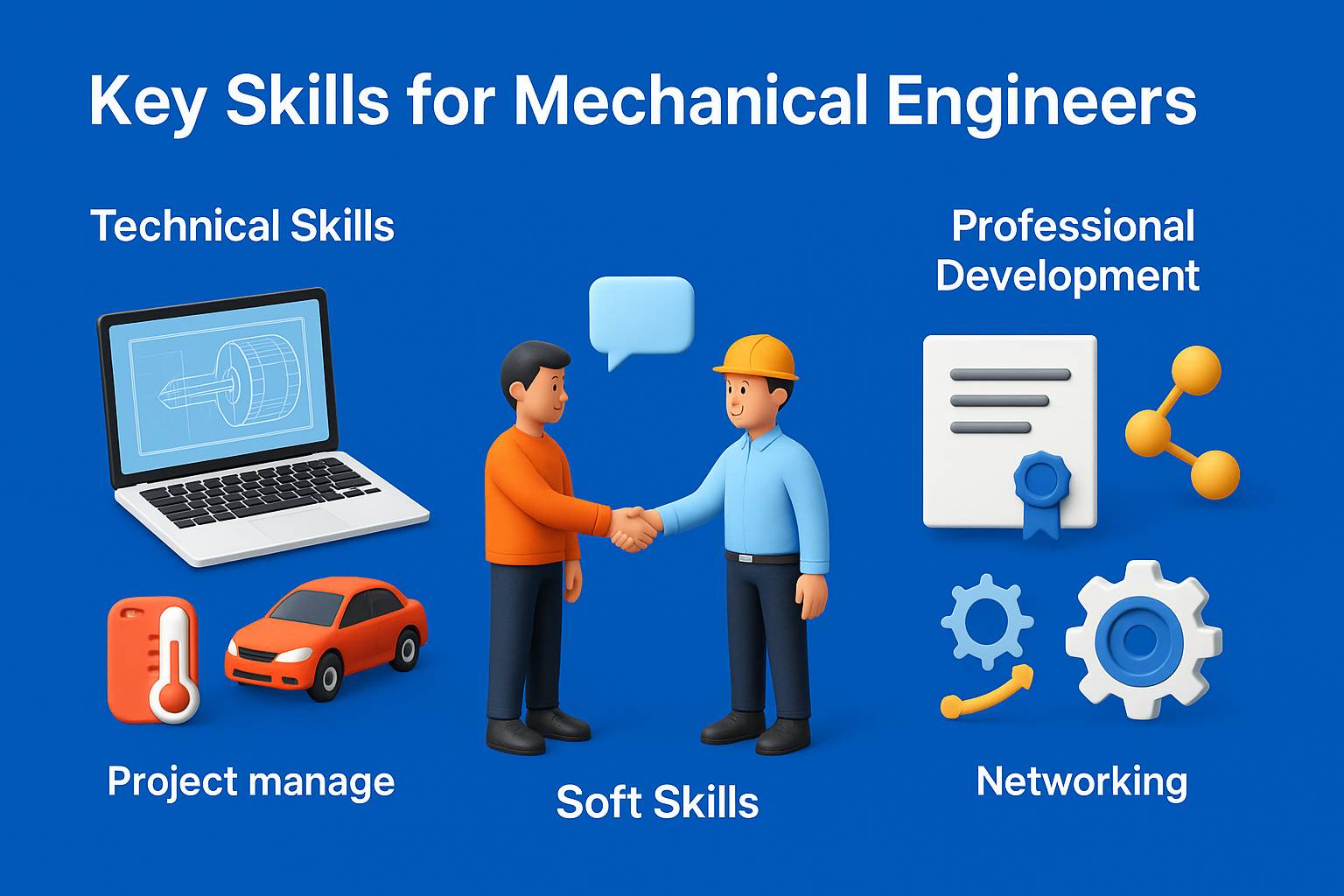
Mechanical engineers looking to succeed in today’s job market in Canada need a blend of technical and soft skills. Mastery of technical skills, such as proficiency in CAD software and understanding thermodynamics, is crucial alongside project management abilities. Equally important are soft skills like communication and teamwork, which are pivotal in collaborating with multidisciplinary teams.
What technical skills are essential for mechanical engineers today?
Technical skills remain the core foundation for mechanical engineering. Proficiency in CAD software like AutoCAD or SolidWorks allows engineers to design, visualize, and test products. Knowledge of thermodynamics is crucial for those working in energy sectors or HVAC systems. Project management skills help in planning and executing engineering projects efficiently, aligning with the Competency-Based Assessment (CBA) expectations of demonstrating such experiences. For example, engineers in automotive manufacturing may leverage CAD to design new vehicle components, ensuring they meet safety and performance standards inspired by sustainability goals.
How do soft skills contribute to success in mechanical engineering?
Soft skills such as effective communication, teamwork, and adaptability are invaluable for mechanical engineers. These skills enhance collaboration with diverse teams and simplify the conveyance of complex technical concepts to non-technical stakeholders. In industries like aerospace, where team collaboration is critical for the timely delivery of cutting-edge projects, engineers must discuss design constraints and solutions clearly. Aligning these skills with CBA can demonstrate an engineer’s ability to operate effectively within various team settings, a competency valued during P.Eng. assessments.
What are strategies for ongoing professional development in mechanical engineering?
In a rapidly advancing field, continuous learning is vital. Mechanical engineers should focus on obtaining their P.Eng. license, which not only validates expertise but also mandates ongoing education. Engineers Canada provides guidelines on maintaining professional development credits annually. Courses in advanced manufacturing technologies and renewable energy can bolster technical knowledge. Networking through professional bodies, such as Engineers Canada, and utilizing resources like CertNova’s CBA Pro tool, are excellent ways to stay updated and grow your skillset. Additionally, consider joining a peer community for support and knowledge sharing, as highlighted on CertNova’s resources.
For more insights on developing a successful engineering career in Canada, visit our P.Eng. Guide page, and explore our services for a comprehensive understanding of mechanical engineering opportunities in Canada.
Final words
Canadian mechanical engineers have a wealth of opportunities at their fingertips, from renewable energy to advanced manufacturing. Understanding regulatory body requirements and strategically planning your career can lead to success in these promising fields. Staying informed about sector trends and continuously upgrading your skills are crucial steps in seizing the best opportunities in this dynamic industry.