

Applying for Electrical Engineering Jobs in Canada
What Qualifications Do You Need?
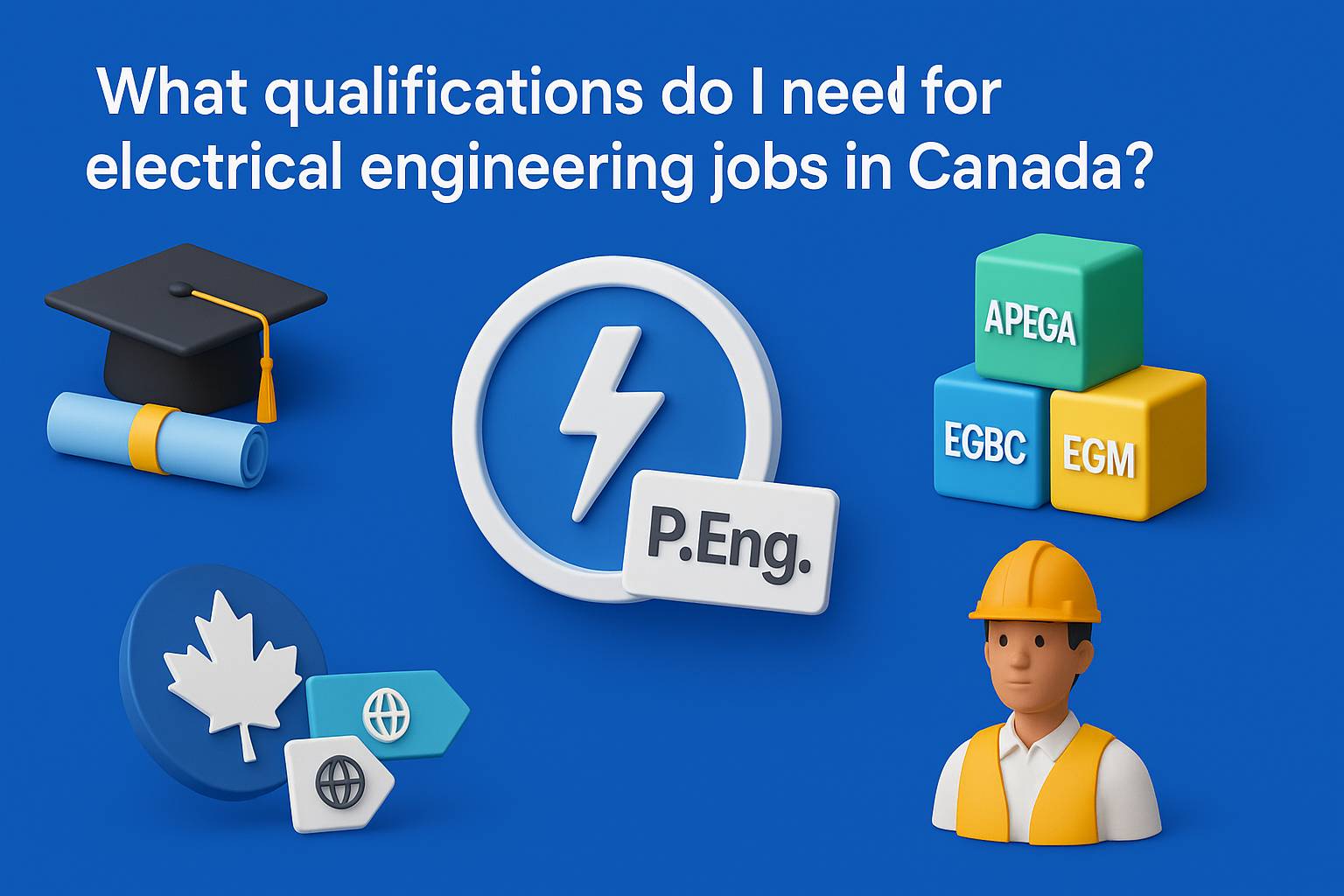
When applying for electrical engineering jobs in Canada, understanding the essential qualifications is critical. A Professional Engineer (P.Eng.) license is usually needed, and the licensing bodies like APEGA, EGBC, and EGM play a vital role in regulating this process. Canadian engineering positions might necessitate recognized degrees and certain educational prerequisites.
What qualifications do I need for electrical engineering jobs in Canada?
To apply for electrical engineering jobs in Canada, you typically need a combination of education, industry experience, and a P.Eng. license. These qualifications validate your technical capabilities and legal entitlement to practice engineering in the country.
You should have earned a degree from a recognized institution. A Bachelor of Engineering or Electrical Engineering is the minimum in many places, and institutions accredited under the Canadian Engineering Accreditation Board (CEAB) are highly regarded. This established foundation meets one of the fundamental criteria for licensure by most Canadian engineering regulatory authorities.
How do the regulatory bodies like APEGA, EGBC, and EGM influence the licensing process?
APEGA, EGBC, and EGM are key regulatory organizations in Canada. They govern the licensing process, ensuring P.Eng. license holders meet professional standards. Each organization has its unique processes, although they align with national standards outlined by Engineers Canada.
- APEGA: Is responsible for engineering professionals practicing in Alberta. They ensure that engineers meet competency, ethical, and educational requirements.
- EGBC: Regulates professionals in British Columbia, requiring candidates to pass the National Professional Practice Examination (NPPE).
- EGM: Manitoba’s regulatory body also emphasizes skill assessment through documentation of work experience and academic credentials.
How important is a P.Eng. license for electrical engineering jobs in Canada?
Having a P.Eng. license is crucial for practicing engineers. It demonstrates that you’ve attained the technical and ethical standards required in engineering. The license is often necessary for career advancement and is mandatory for positions involving public safety and substantial decision-making. Many organizations prefer or require a P.Eng. designation, especially for supervisory roles.
Are there pathways for Canadian-educated and internationally-educated engineers?
The path is slightly different for Canadian and internationally-educated engineers. Canadian-educated engineers generally follow the typical path of gaining relevant work experience, passing the NPPE, and fulfilling the educational requirements set by regulatory bodies.
For internationally-educated engineers, the Competency-Based Assessment (CBA) becomes vital. This process evaluates competency through detailed work experience documentation, allowing these engineers to demonstrate that they meet Canadian standards despite not having a Canadian education. The Competency-Based Assessment is essential to verifying that their skills align with Canadian expectations.
Engaging with a program like CBA Pro can streamline preparing your competency reports, thereby easing the transition to obtaining a P.Eng. license in Canada.
Whether educated locally or abroad, passing the National Professional Practice Examination is a universal requirement for all engineering applicants in Canada.
If you’re looking for concrete examples of how competency and educational requirements translate to real-world electrical engineering jobs, explore job postings and network with professionals in the field. You’ll find resources at competencybasedassessment.ca to help you prepare your competencies effectively. Taking the right steps in your licensure journey can open doors to a thriving engineering career in Canada.
How to Prepare Your Application?
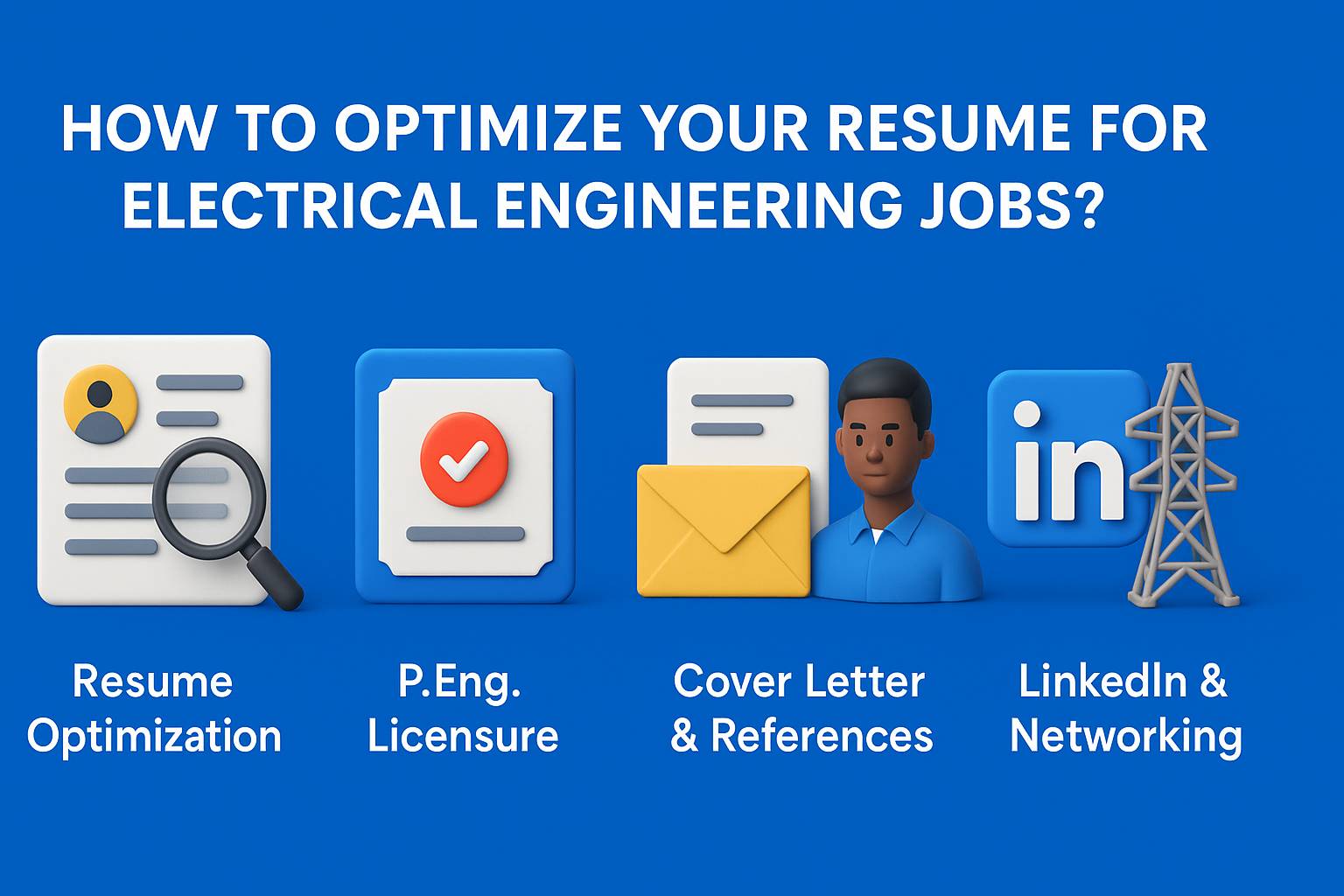
Preparing an application for electrical engineering jobs in Canada involves optimizing your resume, tailoring it to specific job requirements, and highlighting essential credentials like a P.Eng. licensure. Customizing your cover letter and choosing the right references can significantly enhance your job prospects. Leveraging platforms like LinkedIn and engineering networks is crucial for visibility and engagement with hiring managers.
How to optimize your resume for electrical engineering jobs?
Optimizing your resume for electrical engineering jobs in Canada starts with concise and relevant content that meets job requirements. Tailoring your resume for each job application can lead to better outcomes. Include specific keywords related to electrical engineering roles that are mentioned in the job description. Highlight your P.Eng. licensure prominently, as it is a significant credential in Canada. According to a guide on finding engineering jobs in Canada, showcasing your competencies and how they align with the job role can make your application stand out.
What is the importance of highlighting P.Eng. licensure in your application?
Highlighting your P.Eng. licensure is crucial for applying for electrical engineering jobs in Canada. This credential demonstrates your professionalism and adherence to industry standards. It is essential to list your P.Eng. status in the education or certification section of your resume. Additionally, mentioning any relevant experience related to the licensure can strengthen your application. You can learn more about the importance of licensure through the features of professional engineer license in Canada available on our website.
Why is customizing your cover letter and selecting references important?
Customizing your cover letter is vital as it reflects your interest and understanding of the job you’re applying for. Address specific requirements mentioned in the job listing and relate them to your experiences and skills. Selecting the right references is equally important; choose individuals who can provide insights into your technical skills and work ethics. According to our article on professional engineers in Ontario, well-chosen references can play a pivotal role in supporting your job application.
How can LinkedIn and engineering networks boost job prospects?
Leveraging platforms like LinkedIn and professional engineering networks can significantly enhance your visibility with potential employers. Update your LinkedIn profile with your recent achievements and projects, and engage with industry-related content. Networking is crucial in the engineering sector; attending events and joining related groups can open doors to job opportunities. According to Randstad, a leading staffing agency, most jobs are filled through networking rather than traditional applications.
By thoroughly preparing your application, you enhance your chance of securing a position in the competitive field of electrical engineering in Canada. To further support your application process, consider accessing resources like CBA Pro, designed to assist with licensure and career advancement.
Where to Find Engineering Job Opportunities?
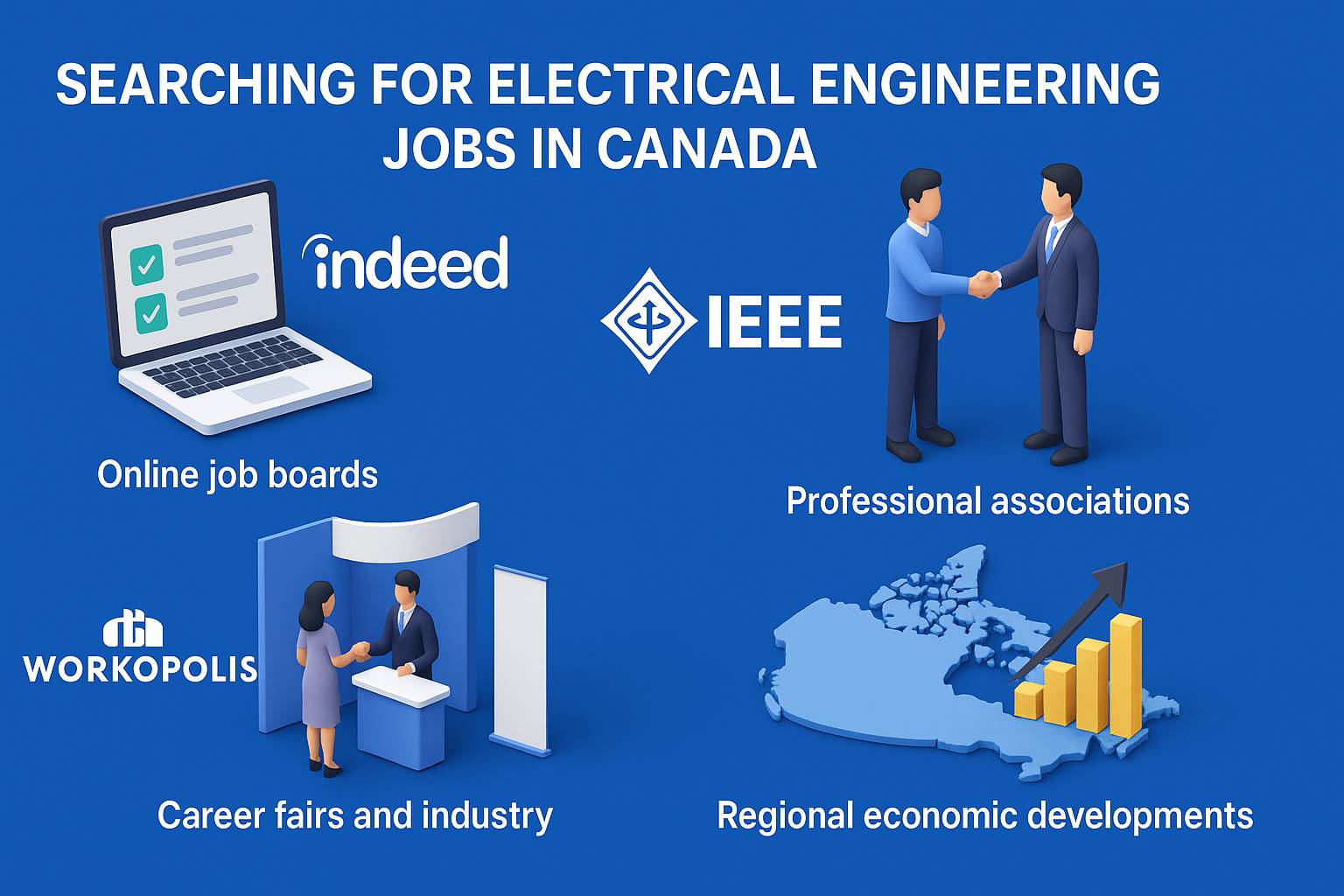
Searching for electrical engineering jobs in Canada requires strategic use of various platforms and resources. Online job boards like Indeed and Workopolis serve as essential tools for finding opportunities, while specialized platforms focus on engineering roles specifically. Networking through organizations like IEEE provides valuable connections and insights into the industry. Participating in career fairs and industry conferences can further enhance your job search experience. Staying aware of regional economic developments also significantly aids in identifying areas with high demand for engineers.
How can online job boards help in finding electrical engineering jobs?
Online job boards, such as Indeed and Workopolis, are powerful platforms for job seekers in the electrical engineering field. They aggregate job listings from various sources, offering a comprehensive view of the available roles across Canada. Job boards allow you to filter searches by location, experience level, and specific engineering skills. This helps you target opportunities that match your qualifications.
In addition to general job boards, specialized engineering platforms focus exclusively on engineering roles, sometimes even segmenting the listings by sub-disciplines such as electrical engineering. This specialization ensures that you view relevant positions, saving time and effort in your job search. Using these platforms can be particularly beneficial for both recent graduates and experienced professionals seeking new challenges.
What role do professional associations and networking play?
Networking through professional associations such as IEEE and engaging in engineering events is vital for job seekers. These organizations provide numerous networking opportunities such as seminars, workshops, and conferences, which can introduce you to industry leaders and potential employers. Being active in these networks helps you stay abreast of industry trends and opens doors to job opportunities that may not be advertised.
Involvement in professional associations often grants access to exclusive job postings, career resources, and mentorship programs. Connecting with peers and mentors can provide valuable advice and might even lead to direct job offers. By participating in these associations, engineers can enhance their visibility in the field and improve their chances of landing desirable positions.
Why are career fairs and industry conferences beneficial?
Career fairs and industry conferences are excellent venues for meeting potential employers face-to-face. These events allow you to engage directly with recruiters, which is something online applications cannot offer. Establishing a personal connection can set you apart from other candidates who rely solely on digital interactions.
Attending conferences also provides opportunities to learn about the latest technological advancements and industry trends. This knowledge can not only enrich your professional acumen but also makes you a more attractive candidate to employers looking for engineers who are informed about the latest innovations in electrical engineering.
How does staying informed about regional economic developments help?
Being aware of regional economic trends and government policies is crucial for identifying job markets with increased demand for electrical engineers. For instance, provinces experiencing growth in infrastructure projects or green energy initiatives often need more professionals in the electrical engineering sector. Built-in opportunities arise as a result of these economic developments, making it easier for job seekers to find positions in their desired field.
By researching and staying updated on economic forecasts and investment activities, such as through resources like competencybasedassessment.ca, engineers can identify regions where their skills will be most needed. This proactive approach in understanding economic trends can provide you a competitive advantage in the job market.
For more guidance on transitioning into the Canadian engineering workforce or understanding the professional engineering landscape, consider exploring resources on Competency-Based Assessment and the journey for internationally trained engineers. These resources offer comprehensive information that’ll help you thrive in the Canadian job market.
Final words
Securing an electrical engineering job in Canada involves more than just submitting applications. By aligning your qualifications with industry standards and leveraging resources like APEGA and EGBC, you significantly enhance your chances of success. Understanding the Canadian engineering landscape will equip you with the knowledge to advance your career. Harness these insights to embark on your professional journey with confidence.